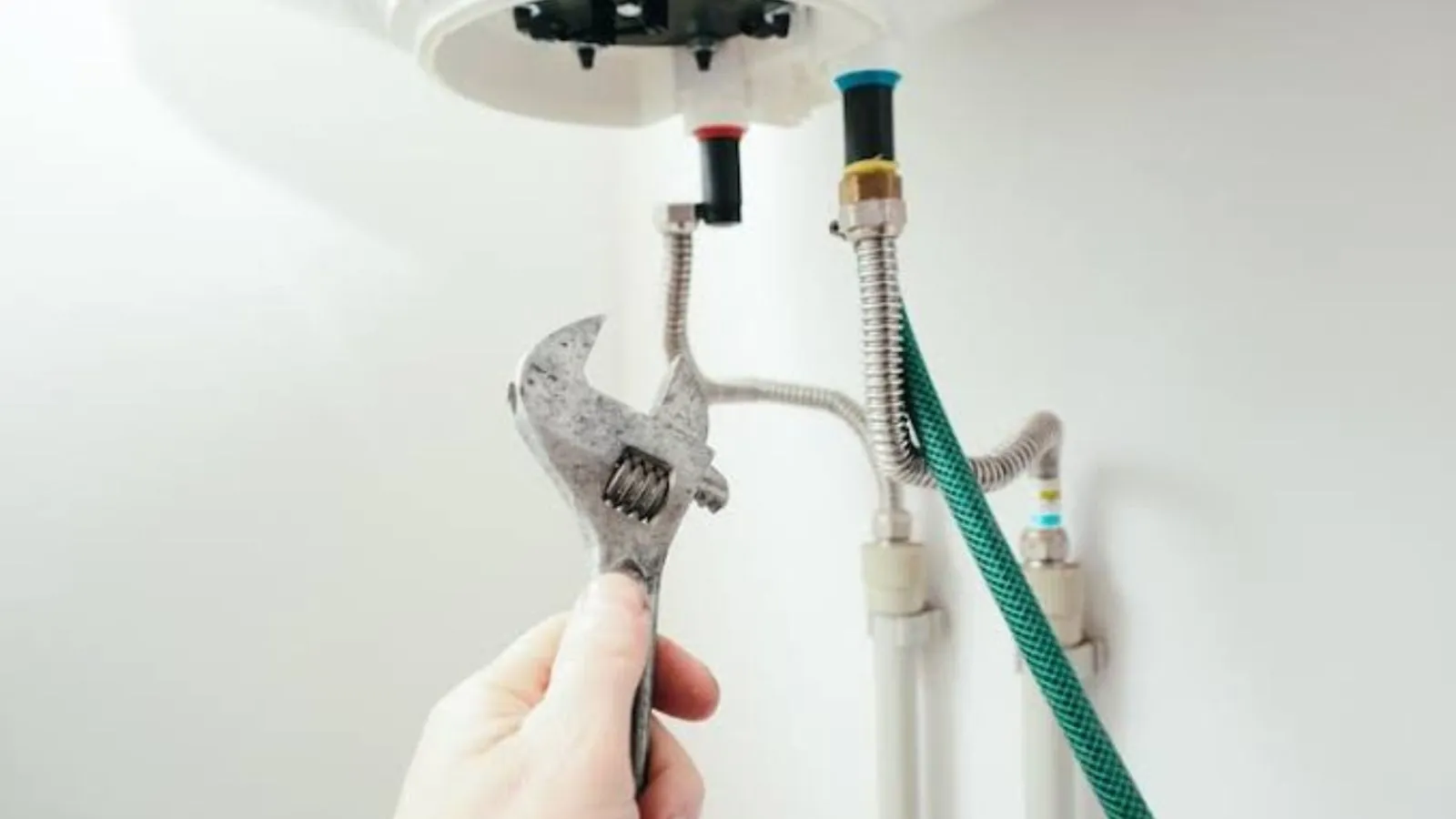
Water heater leak cleanup in Wheeling, WV
Water heater leak cleanup is the water removal and drying work after a tank, a fitting or a relief valve discharges onto the floor. In Wheeling, WV, many water heaters sit in basements next to the furnace and the laundry, so a leak spreads across a lower level quickly. The water can also be warm, which speeds up how fast materials absorb it.
This page covers the water heater as the source. The wider cleanup process for standing water is on the water extraction page, and what happens inside the walls is on the structural drying page.
Water heater emergency: shut off before you clean
A leaking water heater is an emergency if water is spreading, if the tank is hot, or if the heater is gas or electric and standing in water. The dispatch line is open 24/7, including nights, and same-day response is offered when available.
- Turn off the cold water supply valve on the line above the tank. If it will not close, shut the main valve..
- Turn off the electricity to an electric heater at the breaker, only if the panel is dry. For a gas heater, set the gas control to off, and if you smell gas, leave and call the gas utility or 911 first..
- Do not touch the heater or the floor if water is near energized equipment..
- Open a hot water faucet upstairs to relieve pressure..
- Call the dispatch line at (740) 231-9132..
Why tanks fail
Most storage tanks fail because the steel lining corrodes over many years. A small seep at a fitting or the temperature and pressure relief valve can grow into a steady drip. A true tank rupture releases the whole tank at once. Sediment buildup, age and hard water all contribute.
Look for rust streaks on the tank, puddles that return, a damp floor under the tank, corrosion on connections and a relief valve line that drips. A leak from a fitting can often be repaired. A leak from the tank body means replacement.
What cleanup involves
Crews extract the water, then check the subfloor, drywall and baseboards with a moisture meter. Water heaters are often placed on concrete, which dries well, but any finished wall, wood framing or stored cardboard nearby takes up water fast. Air movers and a dehumidifier are run until readings are normal.
| Location of the heater. | Likely damage. | Usual action. |
|---|---|---|
| Unfinished basement on concrete. | Wet storage boxes, bottom of walls. | Extract, remove wet contents, dry. |
| Finished basement closet. | Drywall, carpet, trim. | Extract, cut drywall above the water line, dry. |
| Garage or utility room. | Baseboard, stored items. | Extract and dry. |
| Upper floor or attic. | Ceiling below, insulation. | Extract, remove wet insulation, repair ceiling. |
Do not reconnect or replace the heater until a plumber confirms the lines and the pan are in good order.
Heaters on upper floors and attics
When a heater is on an upper level, the real damage is often below it. Water travels down through floors and fixtures into ceilings. Pan drains that are blocked or never piped to a safe place turn a small leak into a larger one. If you have a heater above living space, check the pan and drain line twice a year.
Cost factors and insurance
The price depends on the volume of water, the type of floor, the number of rooms reached and the drying time. A leak that is caught in an hour on concrete is a small job. A slow leak that ran for weeks behind a finished wall is larger and may be treated differently by an insurer.
Sudden tank failure is often covered, gradual leaks and neglect often are not, and policies vary. Read your policy or ask your insurer. The heater itself is generally a maintenance item. For a real number on the cleanup, call (740) 231-9132.
Related help
Heater leaks often damage basements, and the water can travel into carpet and baseboards. A heater leak that started from a burst fitting is related to burst pipe damage.
A tank leak is typically Category 1 water under the ANSI/IICRC S500 standard, and drying goals are set from that category.
Questions about Water Heater Leak Cleanup in Wheeling
Do you handle water heater leak emergencies at night or on weekends in Wheeling?
Yes. Tanks fail at all hours and the dispatch line is open 24/7. After you shut the supply and the power or gas, call and a crew will be sent as soon as one is available. Same-day response is offered when available.
Should I turn off the power to my water heater?
Yes if you can do it safely. Shut off the breaker for an electric heater only if the panel is dry. For gas, set the control to off and leave if you smell gas.
How much water can a tank release?
A typical residential tank holds tens of gallons, and a rupture can release much of it in minutes. Check the tank label for the capacity.
Can I just replace the water heater and skip the cleanup?
Replacing the heater does not dry the building. Moisture left in walls and floors can lead to damage and odors later.
Does insurance pay for a leaking water heater?
Sudden damage from a failed tank is often covered, the heater itself usually is not. Read your policy and ask your insurer.