Structural drying and dehumidification in Wheeling, WV
Structural drying and dehumidification is the controlled removal of moisture from walls, floors, ceilings and framing after water damage. In Wheeling, WV, it usually follows water extraction and runs for several days with air movers, dehumidifiers and daily moisture readings. The goal is a building that reads dry, not one that feels dry.
The industry term for this process is water mitigation. This is the step that decides whether materials can be saved and whether odors and growth are prevented.
Is my house still wet after the water is gone?
Many people ask this in plain words. The floor looks dry, but the baseboards feel cold, the paint is bubbling, the carpet smells or the air is heavy. Those are signs that moisture is still in the structure. Water in drywall and framing is not visible, and the surface can look fine for days.
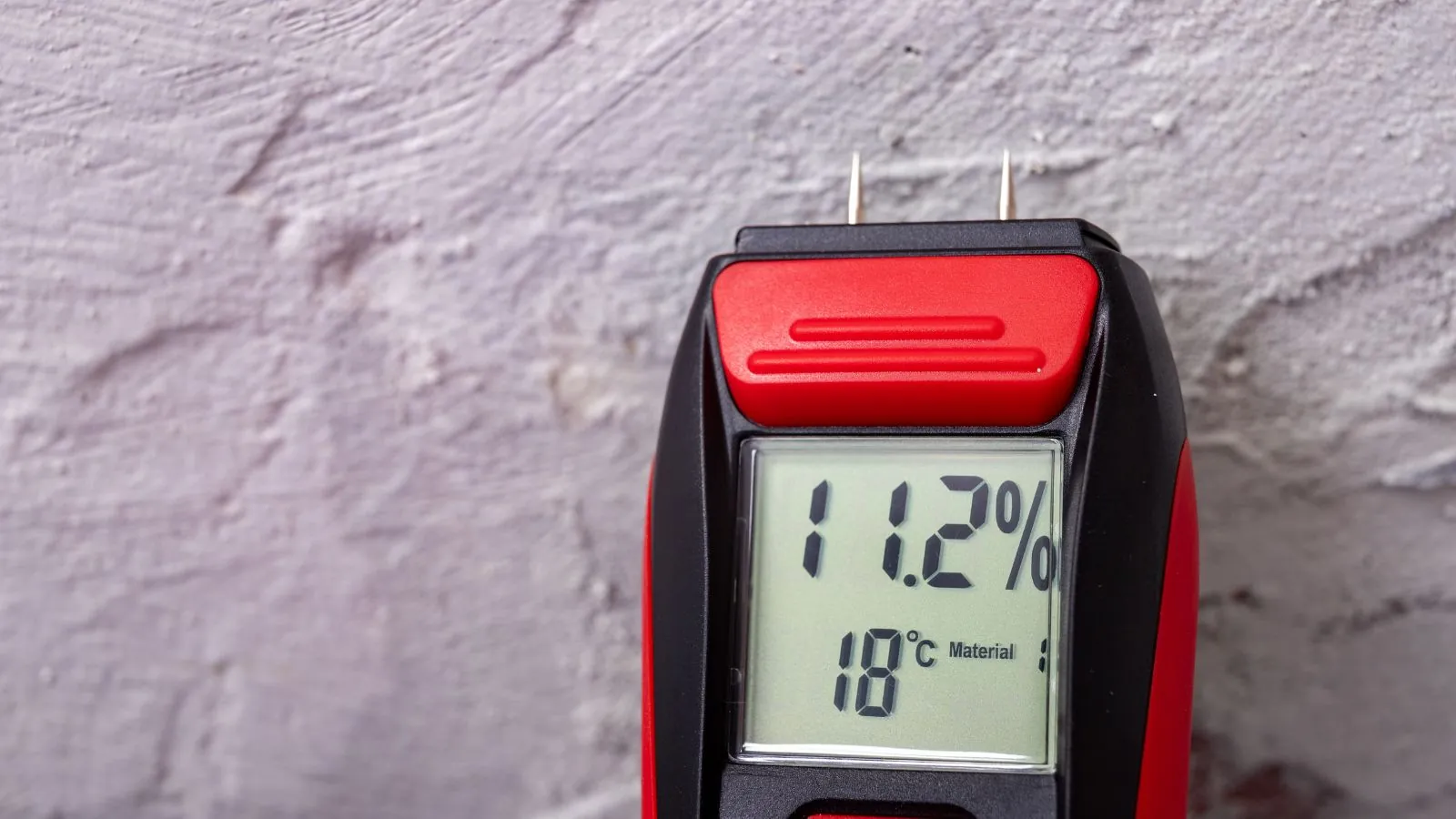
A moisture meter gives a number. A thermal camera shows cool, wet areas. Without those tools you are guessing. If you suspect hidden moisture, call and ask for a moisture survey.
How drying is done
| Equipment. | Job it does. | Where it goes. |
|---|---|---|
| Air movers. | Move air across wet surfaces so water evaporates. | Floors, lower walls, cavities. |
| LGR dehumidifiers. | Pull moisture out of the air. | In the affected room or area. |
| Moisture meters. | Measure moisture in materials. | Walls, subfloor, framing. |
| Thermal imaging camera. | Shows temperature differences from wet areas. | Walls, ceilings, floors. |
| Drying mats and injection systems. | Draw water from under floors and inside cavities. | Hardwood, subfloors, wall cavities. |
Crews set up equipment based on the size of the room and the amount of water. Readings are recorded on day one, then checked each day. When the walls and floors match the dry standard, the equipment is removed.
Moisture mapping
Moisture mapping is the practice of taking readings in a pattern across affected surfaces and marking where water has gone. It gives the crew a baseline, tells you which areas to open up and records progress. Maps and logs are also useful for an insurance claim because they show what was wet and when it was dry.
A good drying scope lists the readings, the equipment and the number of days. Ask to see it in writing before work begins.
Classes of water damage and how they set the equipment
ANSI/IICRC S500 describes classes of water damage based on how much water has been absorbed and how quickly it will evaporate. A small spill into carpet is a lower class. Water that has soaked into deep wall cavities or dense materials like hardwood is a higher class. Higher classes need more dehumidification capacity.
The standard is the published guide for the trade. You can ask any company whether its crews work to it and how they document readings.
How long drying takes
Most drying jobs run several days, and larger or denser materials can take longer. The timeline depends on temperature, humidity, airflow, the material and how fast the work started. Heavy materials like hardwood, plaster and concrete dry more slowly than carpet or drywall.
Do not turn off equipment because it is loud or uses power. If the readings are not at the dry standard, shutting it off early lets moisture stay in the structure. Ask the crew to explain the readings and the target.
Dehumidifier or just a fan?
Fans alone move wet air around without removing the water from the air. A residential dehumidifier from a hardware store handles light dampness, but it is not designed for a flooded floor. Professional drying uses a closed system with dehumidifiers so moisture is removed from the room instead of being moved into other rooms.
Cost factors and insurance
Drying cost depends on the number of rooms, the equipment used, the days it runs and the materials involved. Insurance often covers the drying of sudden and accidental water damage, but policies vary and gradual leaks and neglect are often excluded. Read your policy or ask your insurer. For a real number, call (740) 231-9132.
Related help
Drying follows water extraction in most losses. It is the main work on a wet hardwood floor and in wall cavities. For a flooded lower level, see basement water damage.
Safety checks before you start on structural drying
- Keep children and pets away from running equipment and cords..
- Do not unplug or move air movers or dehumidifiers during drying..
- Use only properly rated extension cords and keep them out of standing water..
- Tell the crew about any breathing problems or allergies before equipment is placed..
If you are not sure a step is safe, skip it and call. Photographs and a clear description of the water are enough for the dispatcher to plan the work.
Questions about Structural Drying in Wheeling
What is the difference between water extraction and structural drying?
Extraction removes standing water. Drying removes the moisture that has soaked into materials and the air. Both are usually part of the same job.
How do I know when drying is finished?
Moisture readings in each material match the dry standard for that material. Ask the crew to show you the readings.
Can I use a household dehumidifier?
It helps with light dampness, but it is not enough for a water loss. Professional equipment removes much more water in a day.
Will my electric bill go up during drying?
Yes, equipment uses power. Ask the crew to estimate the run time and mention it to your insurer.
What if the readings do not drop?
The crew will look for hidden water, such as inside a wall cavity or under flooring, and adjust the setup.