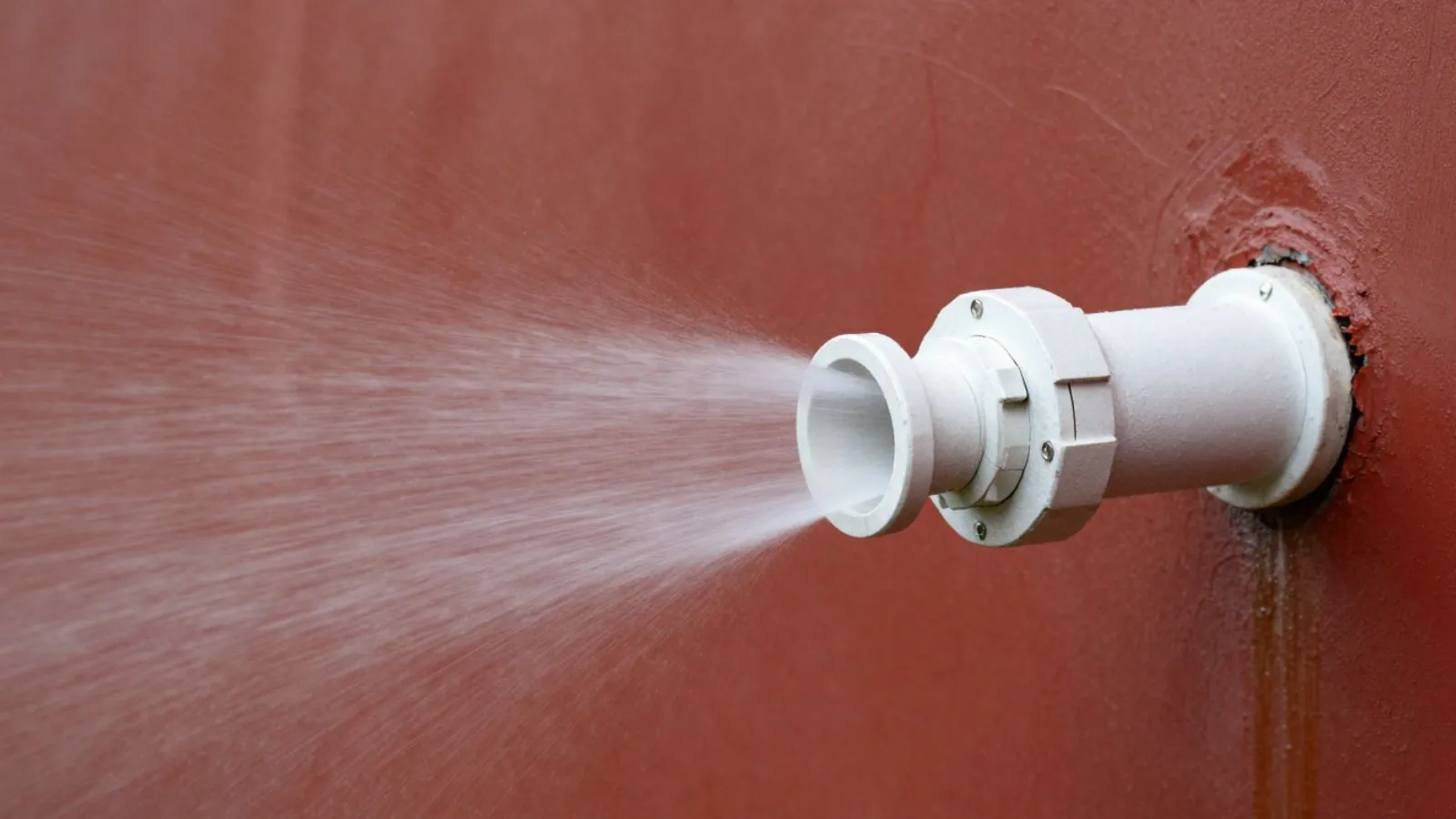
Frozen pipe water damage often shows up after the thaw
Frozen pipe water damage is the flooding that follows when ice inside a pipe splits the line and the water behind it escapes during the thaw. In Wheeling, WV, a pipe can freeze without leaking at all, then fail hours later when the ice melts and pressure returns. That timing is why a quiet house after a cold night can turn into a wet one by midday.
This page is about the thaw and the cleanup. The pages on burst pipes and water extraction cover the flooding itself, and this one focuses on what makes ice damage different.
Frozen pipe emergency: what to do right now
Treat a frozen line as an emergency before it leaks. If a faucet runs slow or only drips in cold weather, ice is probably in the line. The dispatch line is open 24/7, nights and weekends included, so call if water is already showing.
- Shut the main water valve first, so a thawing split cannot run..
- Open the affected faucet so melting water has somewhere to go..
- Warm the area gently with a hair dryer or warm towels. Never use an open flame, a torch or a space heater near wet materials..
- Check along the pipe for bulges, frost, cracks or drips and photograph anything you find..
- If water appears, keep clear of outlets and call the dispatch line..
Where pipes freeze in a house
Ice forms where cold air reaches pipes. The usual places are exterior walls, uninsulated crawl spaces, unheated basements, garages, attics and runs near rim joists or foundation vents. A line that sits against an outside wall in a kitchen or bathroom can freeze while the rest of the house is warm.
Because ice damages the pipe wall gradually, the split is often not where the ice is. It is usually just downstream of the blockage, where pressure builds. That is why a visible frozen section does not always show the leak and why moisture mapping matters after the thaw.
How the cleanup works
Cleanup begins with extraction of any standing water and a moisture survey of the walls, floors and ceilings below the failure. Water from a frozen line frequently runs inside a wall cavity and across a ceiling below, so thermal imaging is used to follow it.
Drywall that was soaked is cut back so the cavity can dry. Air movers and dehumidifiers are set up, and the scope is rechecked with a meter each day until readings return to normal. The line itself is repaired by a plumber.
Frozen versus burst: the difference that matters
| Question. | Frozen pipe. | Burst pipe from pressure. |
|---|---|---|
| When does the water appear?. | Often during the thaw. | Immediately. |
| Where is the damage?. | Near exterior walls, crawl spaces, unheated areas. | Anywhere in the line. |
| Best first move. | Shut the main and open the faucet. | Shut the main valve. |
| Hidden water risk. | High, because splits sit inside walls. | Moderate to high. |
In both cases the main valve is the first thing to find, and photographing the split before the plumber replaces it helps when you talk to your insurer.
Prevention before the next cold snap
Wheeling winters bring real freeze risk. For actual freeze day counts, check NOAA or National Weather Service climate normals for the Wheeling area instead of relying on rumors. In practical terms, the steps are the same everywhere.
- Insulate lines in crawl spaces, garages and exterior walls..
- Keep cabinet doors open on exterior walls during hard freezes so room air reaches the pipes..
- Let a faucet drip when the forecast calls for a deep freeze..
- Disconnect garden hoses and shut off outdoor spigots before winter..
- Know where the main shutoff is and make sure it turns..
Cost factors and insurance
Price depends on how much water ran, what floors and ceilings it reached, the category of the water and how many days of drying are needed. A single split that is caught quickly is a small job. A split that ran for hours while the family was away can involve several rooms.
Insurance policies often treat sudden freeze damage as covered, but terms vary and some policies have conditions about keeping the home heated. Read your policy or ask your insurer. If you want a real number, call (740) 231-9132.
Related help
After a freeze, water often ends up in the basement, behind drywall or in a crawl space. Residents of Triadelphia and other outlying towns can use the same dispatch line.
A thawed line that floods a wall is typically Category 1 water under the ANSI/IICRC S500 standard, so quick drying is the main concern.
Questions about Frozen Pipe Water Damage in Wheeling
Do you handle frozen pipe emergencies at night or on weekends in Wheeling?
Yes. Freezes tend to hit overnight and on weekends, and the dispatch line is open 24/7. Call once the main valve is shut and a crew will be sent as soon as one is available. Same-day response is offered when available.
Can a frozen pipe be thawed without a plumber?
Sometimes, with gentle heat from a hair dryer or warm towels. Never use an open flame. If a pipe is bulging or cracked, shut the water off and call a plumber.
Why did my pipe leak only after it thawed?
Ice can plug a split and hold the water back. When the ice melts, the water flows through the crack. Check for leaks as the temperature rises.
Is a frozen pipe leak a gradual leak for insurance purposes?
It is usually treated as sudden, but policy terms vary, so ask your insurer how freeze events are handled on your policy.
How can I tell if water is inside the wall after a thaw?
Signs include bubbling paint, a soft spot on drywall, a musty smell, or a damp ceiling in the room below. A moisture meter or thermal camera finds it without cutting blindly.