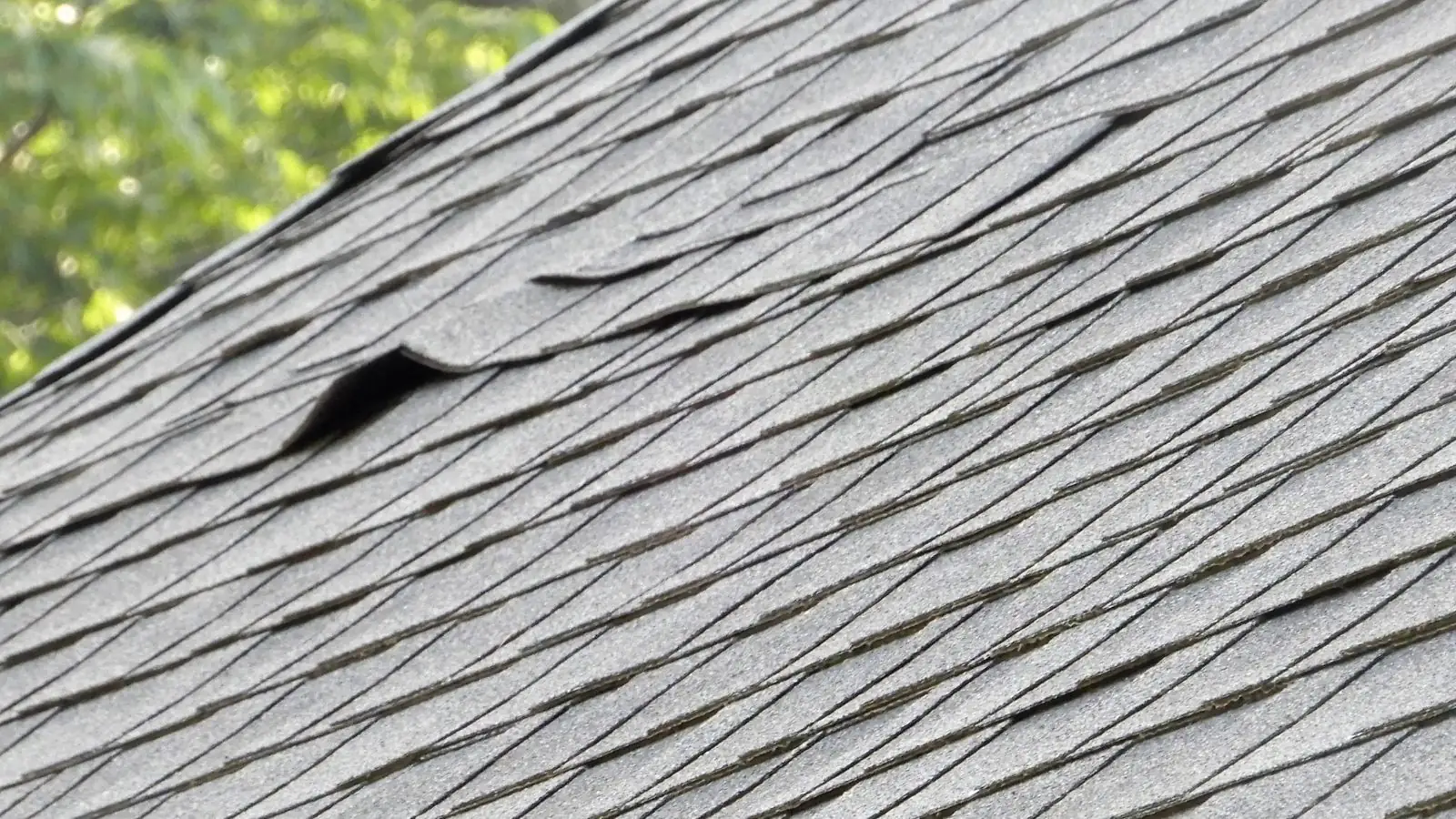
Storm water damage cleanup in Wheeling, WV
Storm water damage cleanup is the removal and drying of water that enters a building through the roof, siding, windows or openings during a storm. In Wheeling, WV, storms bring heavy rain, wind and sometimes hail to the ridgelines and the valleys alike. The damage happens when water finds an opening, whether that is a lifted shingle, a cracked window seal, a failed gutter or a tree limb through the roof.
This page is about water that gets in through the building envelope. Rising river or creek water is a different event, covered on the flood damage page.
Storm damage emergency: what to do right now
Active water coming into a building during or after a storm is an emergency. The dispatch line is open 24/7, including during storms, and same-day response is offered when available. Crews cannot safely work on a roof in lightning or high wind, but interior water control can start.
- Stay away from downed power lines and call the utility or 911 about electrical or gas risks..
- Move people out of rooms with sagging ceilings or standing water..
- Place buckets, move furniture and lift valuables out of the water path..
- If it is safe, cover openings from the inside with plastic or a tarp until a roofer can secure them..
- Take photos of the damage and the weather conditions, and call the line..
How storm water gets in
| Entry point. | Typical damage. | What to look for. |
|---|---|---|
| Roof shingles and flashing. | Ceiling stains, wet insulation. | Missing or lifted shingles, bent flashing. |
| Windows and doors. | Wet trim, floors and walls beneath. | Water at sills, swollen trim. |
| Siding and walls. | Wet wall cavities. | Stains, bubbling paint, soft drywall. |
| Gutters and downspouts. | Water at the foundation, basement seepage. | Overflow, pooling along the wall. |
| Fallen tree limbs. | Openings through the roof or wall. | Visible hole and debris. |
Wind driven rain can enter openings that are dry in normal weather. A window that does not leak in a steady rain can leak when wind pushes water sideways.
Cleanup after the storm
Crews extract standing water, remove wet insulation and any damaged finish, and dry the structure with air movers and dehumidifiers. A moisture meter and a thermal camera find water that has run along framing. Wet drywall that cannot be dried is cut out, and ceilings are repaired after drying.
A roofer or contractor handles the roof, siding and window repairs. Restoration handles the interior. Coordinating the two matters because a temporary tarp should go on before drying equipment is set up.
Storms and the local landscape
The Wheeling area includes steep hills, hollows and river valleys. Heavy rain on a hillside runs downhill fast, so a property below a slope may get runoff against the foundation as well as rain on the roof. Downspouts that discharge near the house are a common weak point.
For rainfall data and storm history, rely on NOAA and the National Weather Service. Do not trust unsourced numbers. For your own property, check your gutters, grading and downspouts before the next heavy rain.
Documenting storm damage
Photograph the opening, the interior damage and the date. Keep the receipts for tarps and temporary repairs. Write down when the storm happened and when you found the damage. Do not throw away damaged materials until your insurer has seen them or you have been told it is fine.
Cost factors and insurance
Cost depends on how much water entered, which rooms are affected, the materials involved and the drying days needed. Insurance generally covers sudden storm damage differently from long term wear, and wind or hail coverage can carry its own deductible. Flood damage is usually excluded and needs separate flood coverage. Read your policy or ask your insurer. For a real number, call (740) 231-9132.
Related help
Storm water often ends up on the ceiling, in a basement or inside walls. If a pipe or fixture failed during the storm instead, see burst pipe water damage.
Rain that enters through a roof is usually Category 1, but runoff that enters at ground level is judged as contaminated under the ANSI/IICRC S500 standard.
Notes for North Wheeling, where visible exterior repairs may need historic review, are on that neighborhood page.
Questions about Storm Water Damage in Wheeling
Do you handle storm water damage emergencies at night or on weekends in Wheeling?
Yes. Storms often hit at night and on weekends, and the dispatch line is open 24/7. Call, and a crew will be sent as soon as one is available. Same-day response is offered when available.
Should I tarp the roof myself?
Roof work is dangerous, especially when wet. Cover from the inside if you can, and call a roofer for roof tarping.
Will my insurer cover storm water damage?
Sudden storm damage is often covered, but flooding is usually excluded. Check your policy or ask your insurer.
What should I photograph?
The opening, the water, the damaged materials, the date and the weather. Photograph before you move anything.
Can water behind siding cause damage?
Yes. Water can run down inside a wall and soak insulation and framing for days without showing.