The words are used loosely
In everyday speech, restoration and remediation are used as if they were the same. In the trade, they often mean different phases of a job. Neither word is regulated in a single way in every state, so you should ask any company what it means by each term and what is included in the price.
The glossary below reflects how the terms are commonly used. Your quote should say clearly which activities are included.
A simple glossary
| Term. | Usual meaning. | Examples. |
|---|---|---|
| Mitigation. | Stop further damage and reduce loss. | Extraction, tarping, drying, moisture checks. |
| Restoration. | Return the home to its pre-loss condition. | Drying, cleaning, replacing materials, repairs. |
| Remediation. | Remove or treat a specific hazard. | Contaminant cleanup, mold removal, sewage cleanup. |
| Rebuild or reconstruction. | Rebuild finished surfaces. | New drywall, flooring, paint and trim. |
| Pack out. | Move contents to a safe location. | Furniture and personal items. |
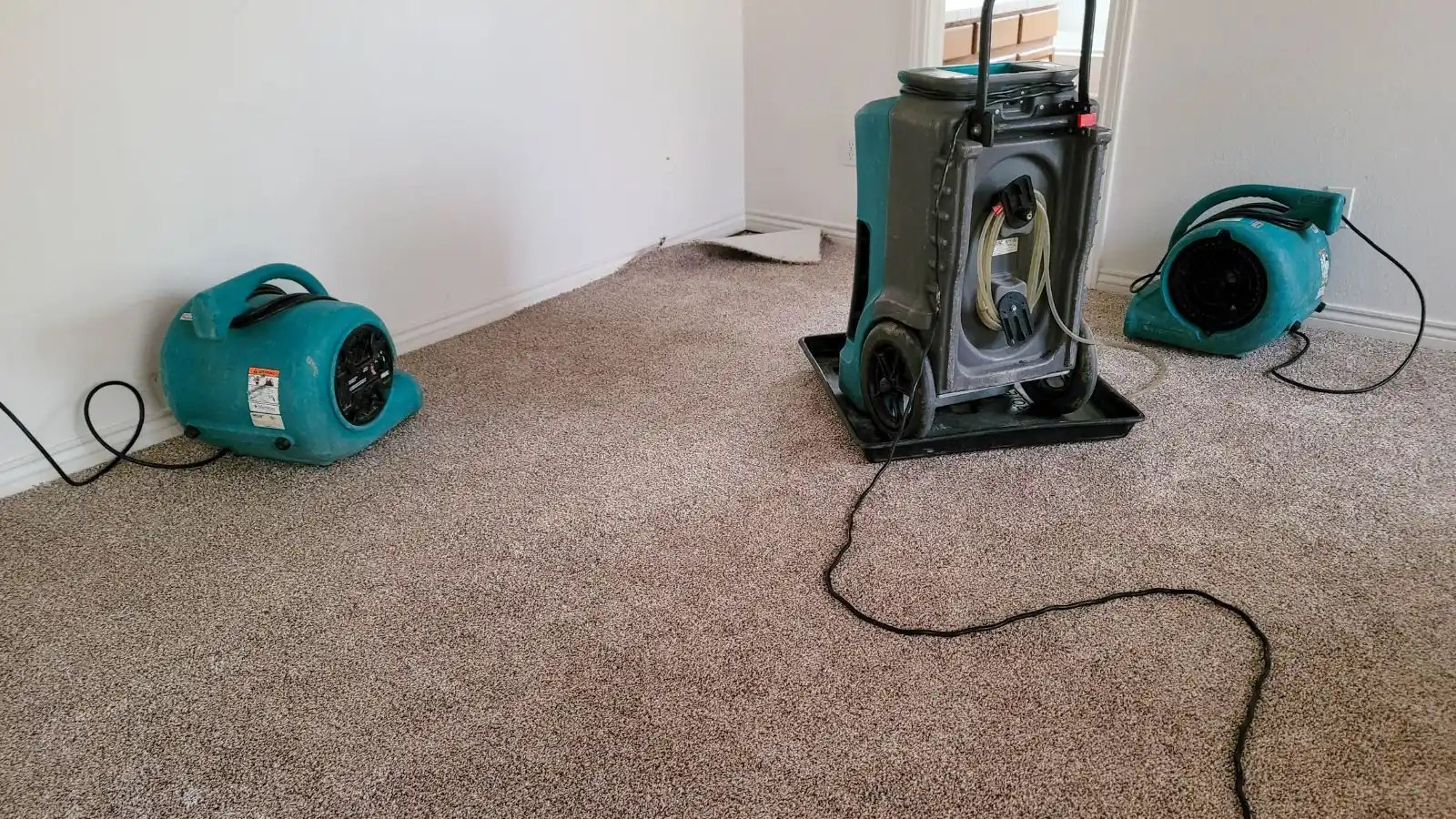
The first phase, mitigation, is the emergency one and starts with water extraction. Drying belongs to mitigation and is the subject of the structural drying page.
Why the difference matters when you compare quotes
A quote that covers only mitigation is not directly comparable to a quote that includes rebuild. One company may give you a drying price and plan to quote repair later. Another might give a single number for everything. Neither is wrong, but you cannot tell which is cheaper by looking at the total.
Ask for a breakdown. A good scope lists each phase and what it includes, and says which pieces are estimates and which are fixed.
Remediation and contaminated water
Remediation usually means that something harmful is being removed or treated, such as contaminants in sewage or flood water. The extra steps include protective gear, containment, disinfection and careful disposal. The sewage page describes this in detail. Remediation can also refer to mold. This site does not offer a mold remediation page for the Wheeling area.
If a company uses the word remediation for a clean water leak, ask what hazard it is treating.
Restoration and rebuild
Restoration in the broad sense can include rebuild. In practice, many companies stop at drying and tear out, then hand the job to a contractor for rebuild. Others do both. Ask who will paint, replace flooring and match texture.
For insurance purposes, the mitigation phase may be billed and paid separately from the rebuild phase. Keep both invoices.
Standards and what to ask
The ANSI/IICRC S500 standard is the published guide for water damage restoration, and S520 is the one for mold remediation. You can ask any company whether its crews work to those standards and how they document readings. A company that cannot explain its process in plain terms is worth a second look.
Why the words get mixed up
Insurers, contractors and websites use the two terms in different ways. Some treat them as the same thing. Others say remediation means dealing with contamination, such as mold or sewage, while restoration means bringing the building back to its pre loss condition. Because the meaning shifts, the safest approach is to ask what steps are included instead of relying on the name.
A scope that lists extraction, drying, cleaning, removal and repair is clear no matter which word is on the cover. A scope that only says "remediation" with no steps is not.
How to compare two quotes
- List every step in each quote and match them side by side..
- Check which quote includes monitoring and final readings..
- Look at who does the rebuild and whether it is priced separately..
- Ask each company to define its words if they are unclear..
This approach makes it easier to see whether two prices cover the same work. A lower price may leave out steps that the higher quote includes.
What the standard says
The ANSI/IICRC S500 standard is a reference for professional water damage restoration. It sets out how water is categorized by contamination level and how losses are classified by how much water is absorbed. It is a guide, not a law, but many insurers and contractors use it as a common language.
If a contractor cites the standard, ask how it applies to your job. For example, which category of water is involved, which class of loss, and what drying goals will be used. A clear answer is a good sign.
Our structural drying page shows how those ideas turn into equipment and readings on a real job.
Local note for Wheeling, WV
The City of Wheeling requires a building permit for any structural, electrical, plumbing or building alteration in the city, and applicants submit a drawing, materials list and scope of work with the application. That is a practical reason to insist on a written scope. If rebuild work involves any of those alterations, the paperwork starts from the same document.
In Moundsville and Triadelphia, the rules come from your own city or town office, so ask them before work starts.
Common questions
Is mitigation the same as drying?
Drying is a major part of mitigation, which also includes removing standing water and stopping further damage.
Do I need remediation for every water loss?
No. Clean water losses usually need mitigation and restoration. Remediation applies when a hazard such as contamination is present.
Who does the rebuild?
It depends on the company. Some companies do it, some hand it to a contractor. Ask before work starts.
Does Wheeling require a scope of work for permits?
The city says applicants submit an application, a drawing, a materials list and a scope of work for permitted alterations.