Start with safety and stopping the water
The first step in any water damage claim is not on a form. It is protecting people and stopping the source. Shut the main water valve if a pipe is involved, stay out of rooms where water meets electricity, and call the utility or 911 about any electrical or gas risk. Insurers generally expect you to take reasonable steps to prevent further damage, so emergency water removal is part of the process, not a delay.
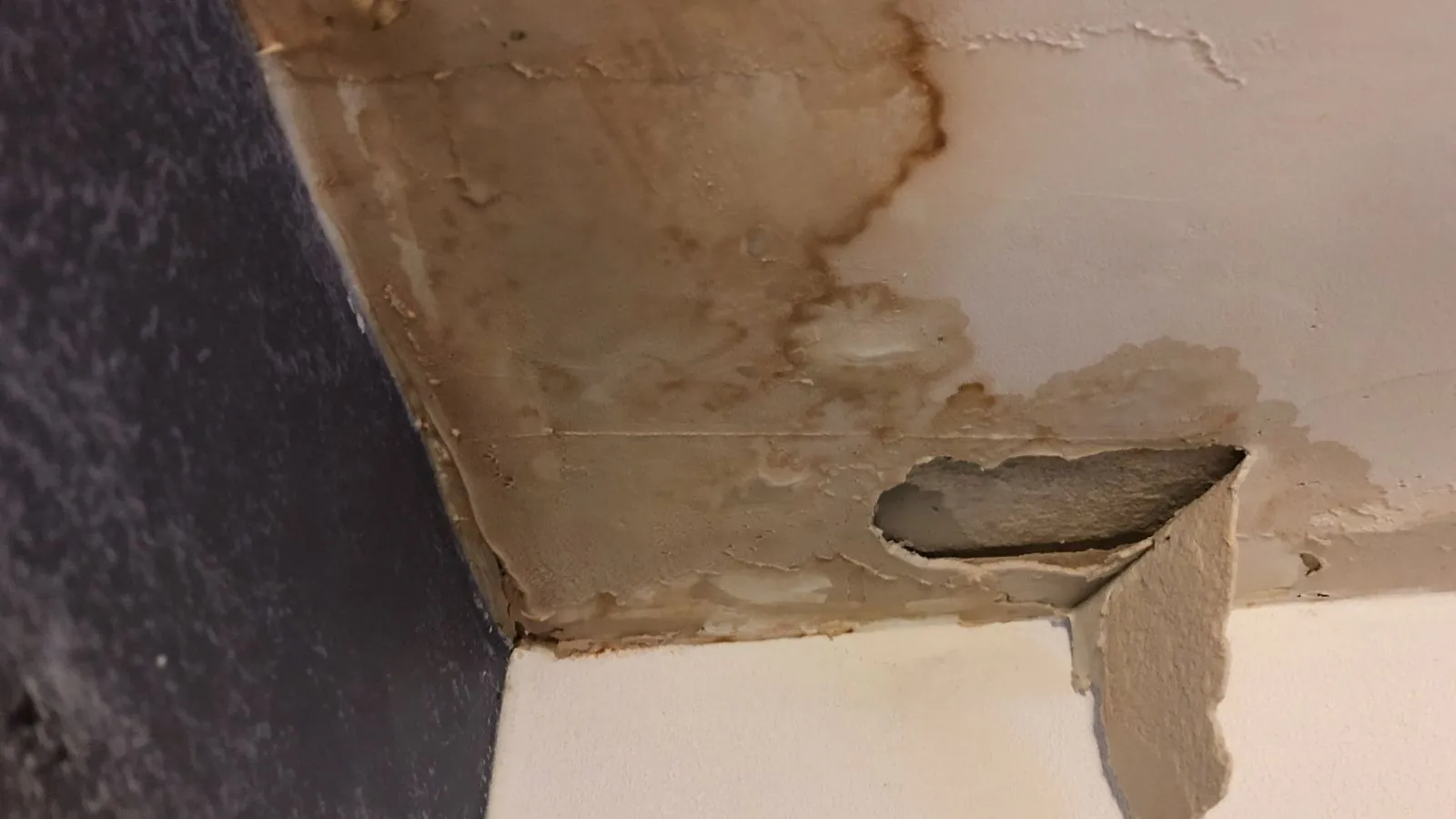
Once the immediate danger is handled, document before you clean. A photo of the water as it was is worth more than a description written later.
What to photograph and record
- The source of the water, such as the failed pipe, hose or window, before it is repaired..
- Wide shots of each affected room, then close ups of damaged materials..
- The high water line on walls and furniture..
- Serial numbers and labels of damaged appliances and electronics..
- The date and time you discovered the damage and any steps you took..
- Receipts for emergency work, hotel stays and supplies..
Video walkthroughs help, as long as you narrate what you are showing. Store copies in cloud storage in case the originals are damaged.
Call your insurer early
Report the loss as soon as it is safe to do so. Ask for the claim number, the adjuster contact and what documents they need. Write down the date, the time and the name of the person you spoke with. Ask whether you may begin emergency repairs and drying before the adjuster visits. In most cases the answer is yes, because delaying drying makes the loss worse.
Do not discard damaged materials until you are told it is fine. If something has to be removed for safety, such as wet carpet pad or drywall, photograph it first and keep a sample if asked.
What a restoration company documents
A restoration company can provide a written scope of work, moisture readings with dates, a list of equipment used and photos. These records help the insurer see what was wet, how long it took to dry and what was removed. The company does not decide coverage and cannot promise approval. The water extraction page and structural drying page explain what each phase records.
| Record. | Why it helps. | Who provides it. |
|---|---|---|
| Photos and video. | Show conditions before cleanup. | You and the restoration crew. |
| Moisture readings. | Show what was wet and when it dried. | Restoration crew. |
| Written scope of work. | Lists work, materials and equipment. | Restoration crew. |
| Plumber invoice. | Shows the cause and repair. | Plumber. |
| Receipts. | Show costs you paid. | You. |
The adjuster visit
An adjuster will look at the damage, ask about the cause and review your documents. Be honest and specific. Walk the adjuster through the photos and point out hidden areas such as wall cavities. If drying equipment is running, explain what it is doing. Ask for the adjuster's estimate in writing and compare it to the contractor scope.
If the two disagree, ask the insurer to explain the difference. Many differences are about materials or quantities, and can be resolved with documentation.
If something is denied or underpaid
Ask for the denial in writing and read the reason. Check it against your policy language. You can ask the insurer to reconsider with more documentation. The state insurance office publishes consumer guidance and takes consumer questions. If a claim is complicated, a public adjuster or an attorney can review it, but you should ask about fees before hiring one.
Keep a simple claim log
A claim can run for weeks, and details fade fast. Keep one running log in a notebook or a phone note. Write down the date and time of each call, the name of the person you spoke with, and what they said. Add the claim number to the top of the page so it is always handy.
Save every email and text. If an adjuster gives you a verbal instruction, send a short message afterward that repeats it, such as "Confirming that you asked me to keep the wet carpet until Friday." That gives both sides a written record.
- Photos and video taken before you move anything..
- Receipts for emergency costs, such as a plumber or a rental fan..
- A list of damaged items with the age and rough value of each..
- Copies of your policy pages that describe water damage and deductibles..
Common delays and how to handle them
Claims slow down for ordinary reasons. The adjuster may be handling many losses after a storm. A document may be missing. The insurer and the contractor may disagree on the scope. When that happens, ask what is needed to move forward and when you can expect an answer.
Do not delay drying while you wait. Most policies expect you to take reasonable steps to prevent more damage, and wet materials get worse each day. Keep your receipts, and ask your insurer to confirm in writing what it expects.
Local note for Wheeling, WV
For flood events along the Ohio River, claims go through flood coverage and the National Flood Insurance Program, not the standard homeowners policy. The state insurance commissioner's office points people to that program. If you are on Wheeling Island or in a creek bottom, find out before a loss whether you have flood coverage, and keep your policy documents where you can reach them.
Many Wheeling residents have neighbors in Triadelphia or Moundsville who dealt with water loss in the same storm. Compare notes, but remember that every policy is different.
Common questions
Should I clean up before the adjuster arrives?
Stop the water and begin drying, but photograph first. Do not discard damaged materials until you are told it is fine.
How long do I have to file a claim?
Policies have time limits that vary. Report the loss as soon as you can and check your policy for deadlines.
Can I choose my own restoration company?
Often yes, but ask your insurer whether there are any requirements.
What if the claim is for flood water from the Ohio River?
That is a flood claim, not a standard homeowners claim. Contact your flood insurance carrier or agent as soon as possible.