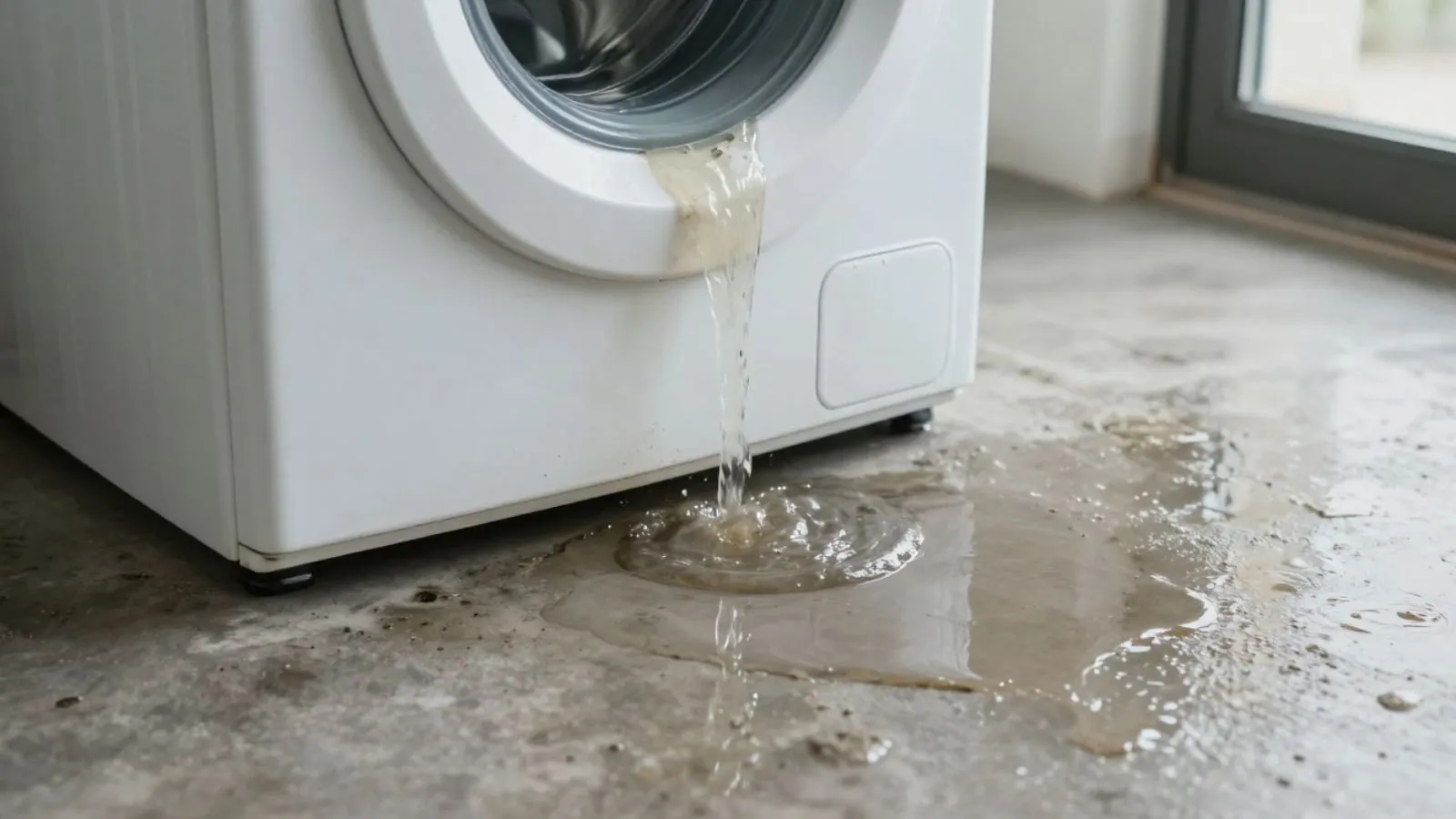
Safety comes before saving devices
Water on the floor near outlets, extension cords or the panel is a shock hazard. Do not walk through standing water to reach a device. If you are not sure whether power is safe, assume it is not, stay out and call the utility or 911 about any electrical or gas risk before you call a restoration line.
Once the area is safe, devices can be handled. Until then, they are not worth the risk.
Cutting power safely
- If the electrical panel is in a dry area that you can reach without stepping in water, switch off the breakers for the wet areas, or the main breaker if needed..
- If the panel is in a flooded area, stay out. Call the electric utility..
- Do not touch wet plugs, cords or outlets with wet hands..
- Unplug devices only after power is off and you are standing on a dry surface..
- Do not turn on any device that got wet, even if it looks fine..
What happens to wet electronics
Water can short circuits, corrode connections and cause problems that show up days later. A device that works right after getting wet can fail later. Clean water is less damaging than salt or dirty water, but any water inside a device is a risk.
| Device. | What to do. | Likely outcome. |
|---|---|---|
| Phone or tablet. | Power off, do not charge, remove case and battery if possible. | May be saved if dried and checked quickly. |
| Laptop. | Power off, unplug, remove battery if possible. | Needs a technician. |
| TV. | Do not turn on. | Often replaced if water reached the inside. |
| Small appliances. | Unplug and let dry fully. | Often unsafe to reuse until inspected. |
| Major appliances. | Cut power at the breaker. | Needs a technician. |
Rice and other myths
Rice does not dry electronics well. It is not much better than air drying and can leave starch in ports. A better step is to power the device off, remove the case and battery if you can, wipe the outside and let it dry in a room with moving air. Do not use heat guns, ovens or hair dryers at close range.
Wiring, outlets and the panel
Electrical wiring and outlets that were underwater should be inspected by a licensed electrician before use. Water inside a panel or outlet box can cause corrosion and hazards. Do not just dry and reuse. Ask an electrician to check circuits, outlets and breakers in any wet area.
The structural drying that follows a loss, covered on the structural drying page, also affects wiring in walls, which is why moisture readings include cavities.
Documenting damaged electronics
Take photos of the devices, their labels and serial numbers. Keep damaged items until your insurer says you can discard them. Many policies cover electronics damaged by sudden water loss, but wording varies. Read your policy or ask your insurer.
Powering down and what not to do
If electronics are wet, do not turn them on. Unplug them if it is safe to reach the outlet, and never touch a device or a cord while standing in water. Remove batteries from small devices. Do not use a hair dryer or an oven to dry a device because heat can warp parts and spread moisture.
Set devices in a dry, ventilated place. Silica gel or uncooked rice are often suggested, but they do not draw moisture from a soaked board in a reliable way. The better approach is to let a repair shop open the device and clean the board.
- Back up data as soon as a technician says it is safe..
- Keep receipts for the claim..
- Photograph model and serial numbers for the insurer..
When replacement is the better choice
Salt, minerals and contaminants in flood water corrode circuits quickly. A device exposed to flood or sewage water is rarely worth repairing. Clean water exposure gives a better chance, especially if the device was off. Ask a repair shop for an honest estimate before paying for work.
Appliances, wiring and the panel
Large appliances and wiring need extra care. If water reached outlets, switches or the electrical panel, do not use them. Have an electrician inspect the circuits before the power is restored. Water inside wall cavities can reach wiring even if the outlet looks dry.
Refrigerators, washers and dryers have electronic controls that can be damaged by water. A repair technician can tell you if the control board is salvageable. Never test a wet appliance by plugging it in. The risk of shock and fire is real, and it can turn a repairable loss into a larger one.
Local note for Wheeling, WV
The City of Wheeling requires a building permit for any structural, electrical, plumbing or building alteration in the city, and its Building Code Services office lists an electrical inspector. If an electrician is replacing wiring or a panel after a flood, expect permit and inspection steps and ask the electrician how they will be handled.
Outside the city, in places like Glen Dale or Wellsburg, check with your local office about its own rules.
Common questions
Can I plug in a TV that got wet?
No. Let it dry and have it checked by a technician first.
Is it safe to turn off the breaker if I am standing in water?
No. Stay out and call the utility.
Can wet outlets be reused?
Usually not until an electrician inspects them.
Who inspects wiring after a flood in Wheeling?
A licensed electrician does the work, and the city has an electrical inspector for permitted work. Ask the Building Code Services office.